Bihar Panchayati Raj: A Guide to Local Government
Introduction
Panchayati Raj is the system of rural local self-government in India. It gives people in villages a formal role in managing local development, public services and community-level administration. In Bihar, the Panchayati Raj system operates through elected local bodies at different levels and works alongside the state government and district administration.
The system is important because many development issues directly affect villages, including roads, sanitation, drinking water, housing, local infrastructure, welfare schemes and community development.
Panchayati Raj in Bihar
Bihar has a three-tier Panchayati Raj system for rural areas. The three main levels are Gram Panchayat at the village level, Panchayat Samiti at the block level and Zila Parishad at the district level.
These institutions have elected representatives who participate in local planning, development activities and implementation of government programmes.
Gram Sabha
The Gram Sabha is the foundation of the Panchayati Raj system at the village level. It consists of registered voters of the village or group of villages covered by the Gram Panchayat.
The Gram Sabha provides a platform where local residents can discuss development priorities, public works, welfare programmes and other matters affecting the community.
Gram Panchayat
The Gram Panchayat is the elected local government body at the village level.
It is responsible for carrying out various local development and civic functions. Depending on the responsibilities assigned under state law and government programmes, these can include village infrastructure, sanitation, public facilities, welfare-related activities and local development planning.
The elected head of a Gram Panchayat is the Mukhiya. Other elected representatives participate in the functioning of the Panchayat.
Panchayat Samiti
The Panchayat Samiti functions at the block level. It connects Gram Panchayats with the district-level Panchayati Raj institution.
The block-level body helps coordinate development programmes involving several villages and Panchayats. It can also participate in planning and monitoring development activities within the block.
Zila Parishad
The Zila Parishad is the district-level Panchayati Raj institution.
It provides a broader framework for rural development planning and coordination at the district level. It works with lower-level Panchayati Raj institutions and government authorities on development programmes covering multiple blocks and villages.
Elections to Panchayati Raj Institutions
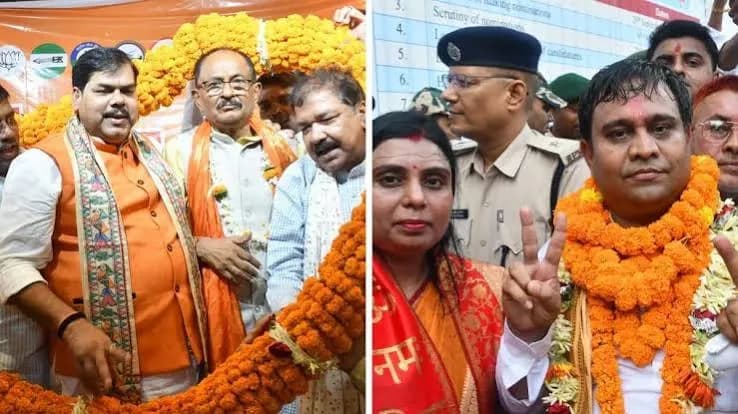
Panchayati Raj institutions in Bihar are elected through the state local-government electoral system. The Bihar State Election Commission is responsible for conducting elections to Panchayati Raj institutions.
Elections provide residents with an opportunity to choose representatives for their local bodies. Different positions and constituencies are governed by the applicable provisions of Bihar's Panchayati Raj laws and election rules.
Reservation in Panchayati Raj
Reservation is an important feature of local government representation.
Seats and offices in Panchayati Raj institutions are reserved according to applicable constitutional and state provisions. These provisions provide representation for Scheduled Castes, Scheduled Tribes, Extremely Backward Classes, Backward Classes and women, subject to the relevant laws and rules.
Women’s participation in local government has significantly expanded the number of women serving as elected representatives in rural Bihar.
Main Functions of Panchayati Raj Institutions
Panchayati Raj institutions participate in a wide range of local development activities.
Important areas include rural roads and infrastructure, sanitation and cleanliness, drinking water, community facilities, local development planning, welfare programmes, rural housing support, public awareness programmes and implementation or monitoring of government schemes.
The exact responsibilities of a Panchayat depend on the applicable laws, rules, government notifications and the functions assigned to the institution.
Role of Panchayats in Rural Development
Panchayats can play an important role in identifying local needs and communicating them to higher levels of government.
A village may have different priorities from another village. One community may require better roads, while another may need improvements in drainage, drinking water or community facilities.
Local representatives are therefore an important link between rural residents and government development programmes.
Panchayati Raj and Government Schemes
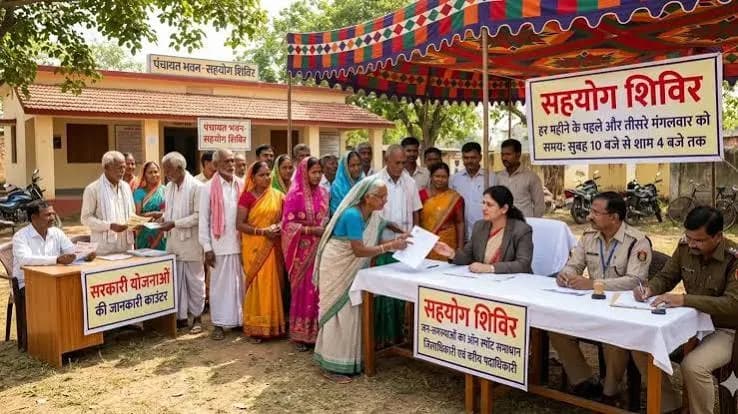
Many government development and welfare programmes reach rural communities through local administrative structures.
Panchayati Raj institutions may participate in identifying beneficiaries, planning local works, supporting implementation and monitoring development activities, depending on the particular scheme and applicable rules.
This makes local government an important part of the delivery of public programmes in rural areas.
Sources of Revenue
Panchayati Raj institutions require financial resources to perform their responsibilities.
Their finances can include grants and funds provided through government programmes, assigned or shared revenues and other sources permitted under law.
Financial management, budgeting, auditing and monitoring are important for ensuring that public funds are used for intended purposes.
Importance of Gram Sabha Meetings
Gram Sabha meetings provide an opportunity for residents to participate directly in local governance.
People can raise local issues, discuss development priorities, review certain activities and participate in discussions concerning their village.
Active participation in Gram Sabha meetings can help make local governance more responsive to community needs.
Role of the Mukhiya
The Mukhiya is the elected head of the Gram Panchayat.
The Mukhiya has an important role in coordinating Panchayat activities, representing the Panchayat and participating in local development and administrative processes according to Bihar's Panchayati Raj laws and rules.
The Mukhiya works with elected Panchayat representatives, officials and local communities on matters concerning the Panchayat.
Role of Panchayat Representatives
Local representatives serve as a link between residents and the Panchayati Raj institution.
Their responsibilities may include participating in meetings, raising local issues, supporting development planning and representing the interests of their respective areas.
The effectiveness of local governance depends not only on elected representatives but also on citizen participation and proper implementation of rules.
Panchayati Raj and Transparency
Transparency is an important principle of local government.
Information about development works, public expenditure, government schemes and Panchayat activities should be managed according to applicable transparency, financial and administrative rules.
Social participation, official records, audits and public meetings can contribute to greater accountability in local governance.
Challenges of Panchayati Raj in Bihar
Local governments can face several challenges, including limited financial resources, administrative capacity, delays in development works, coordination problems and differences in local infrastructure needs.
Effective training of elected representatives, stronger administrative support, transparent financial management and active participation by residents can help improve the functioning of local institutions.
Panchayati Raj and Digital Governance
Digital technology is increasingly being used in local government administration.
Online systems can support areas such as planning, financial management, record keeping, monitoring, public information and implementation of government programmes.
Digital governance can make it easier to track development activities and improve access to government information when systems are properly maintained and used.
Why Panchayati Raj Matters to Bihar
Bihar has a large rural population, making local government particularly important for community-level development.
Panchayati Raj institutions provide a formal structure through which rural residents can participate in local governance and elect representatives who work on village, block and district-level development matters.
The system also helps connect state and central government programmes with local communities.
Conclusion
Bihar's Panchayati Raj system is an important part of rural local governance. Through Gram Panchayats, Panchayat Samitis and Zila Parishads, elected representatives participate in planning, development and local administration.
The system is designed to bring government closer to citizens and create opportunities for people in rural areas to participate in decisions affecting their communities.
Understanding how Panchayati Raj works can help citizens better understand local government, participate in Gram Sabha activities, follow development programmes and engage with their elected representatives.
Related Keywords
Join the discussion