How to Track Development Across Bihar's Districts
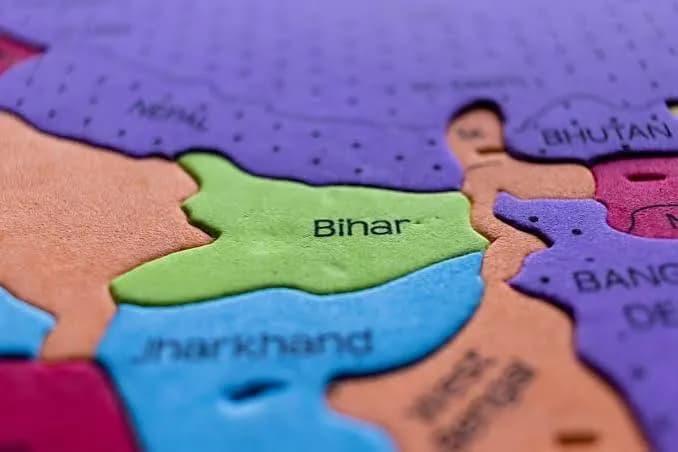
Bihar has many districts with different geographic conditions, population patterns, economic activities and infrastructure needs. Because development does not happen at the same pace everywhere, tracking progress at the district level is important for understanding how government programmes and public investments are affecting different parts of the state.
District-level development can be examined through infrastructure, education, healthcare, agriculture, employment, public services and other measurable indicators.
Why District-Level Tracking Matters
State-level figures provide an overall picture of Bihar, but they may not show differences between individual districts.
One district may have strong growth in education infrastructure while another may require additional healthcare facilities. Comparing district-level information can help identify areas where development indicators are changing and where additional attention may be required.
Major Areas to Track
District development can be monitored across several sectors.
Important areas include roads and transportation, electricity, drinking water, sanitation, healthcare, education, agriculture, employment, housing, industry, digital connectivity and public services.
Using multiple indicators provides a broader picture than relying on a single measurement.
Infrastructure Development
Infrastructure is one of the most visible areas of district-level development.
Road construction, bridges, public buildings, electricity connections, water-supply projects, drainage systems and digital connectivity can be tracked through government project information and administrative records.
Monitoring both completed and ongoing projects can help provide a clearer picture of infrastructure development.
Education Indicators
Education is another important area for district comparison.
Useful indicators can include the number and condition of schools, student enrolment, attendance, teacher availability, examination performance, higher-education institutions and access to vocational training.
Government education data can help researchers and citizens understand changes over time.
Healthcare Development
Healthcare development can be examined through hospitals, primary health centres, community health centres, medical colleges, healthcare workers and availability of essential services.
Other indicators can include maternal and child health, vaccination coverage and access to healthcare facilities.
District-level health information can reveal differences in access and service availability across Bihar.
Agriculture and Rural Development
Agriculture remains important to many districts in Bihar.
District-level development can therefore be tracked through irrigation, crop production, agricultural infrastructure, storage facilities, market access, livestock activities and farmer-support programmes.
Rural development programmes can also be examined through information on roads, housing, sanitation and local infrastructure.
Employment and Economic Activity
Employment is an important indicator of economic development.
District-level information can include industrial activity, registered businesses, self-employment, skill-development programmes, employment opportunities and major investment projects.
Tracking economic activity can help show how different districts are developing their local economies.
Government Schemes
Government schemes can provide another way to monitor district development.
Information about beneficiaries, project implementation, expenditure and completion can help show how public programmes are reaching different areas.
However, scheme numbers should be interpreted carefully because the size and population of districts can differ significantly.
Using Per-Capita and Population-Based Measures
Comparing absolute numbers alone can sometimes produce a misleading picture.
For example, a larger district may naturally have more schools, hospitals or beneficiaries than a smaller district.
Population-adjusted indicators, such as facilities per population or expenditure per person, can provide additional context when comparing districts.
Tracking Projects Over Time
Development should also be measured over time rather than through a single year's data.
Comparing information across several years can show whether infrastructure, education, healthcare or economic indicators are improving, remaining stable or changing.
Time-series information is particularly useful for understanding long-term development trends.
Role of District Administration
District administrations play an important role in implementing and monitoring government programmes.
District officials coordinate with state departments, local bodies and other agencies to implement development projects and public services.
Administrative reports and official district-level information can therefore provide valuable information for tracking development.
Role of Panchayats and Urban Local Bodies
Development monitoring also involves local government institutions.
Gram Panchayats, Panchayat Samitis, Zila Parishads, municipalities and municipal corporations operate at different levels of local governance.
Their activities can provide information about local infrastructure, civic services and community-level development.
Digital Platforms and Public Data
Digital government platforms have made it easier to access some development information.
Government dashboards, department websites, public reports, statistical publications and project-monitoring systems can provide information about different sectors.
However, users should check the source, reporting period and methodology before comparing figures.
How Citizens Can Track Development
Citizens can follow development by checking official government announcements, project updates, budgets, district reports and publicly available statistics.
Local meetings, public consultations and interactions with elected representatives and government offices can also provide information about local issues and ongoing projects.
Independent reporting and field-level observations can supplement official information, provided that claims are verified.
Challenges in Measuring Development
Measuring district development is not always straightforward.
Data may be released at different times, use different definitions or cover different periods. Some indicators may also be unavailable for every district.
Changes in administrative boundaries, population and reporting methods can make historical comparisons more complicated.
For this reason, development data should be examined with its source, date and methodology in mind.
Creating a District Development Dashboard
A district development dashboard can bring multiple indicators together in one place.
A useful dashboard could include infrastructure, education, healthcare, agriculture, employment, government schemes and local-government information.
Displaying data by district and year can make it easier to identify changes and understand regional differences.
Conclusion
Tracking development across Bihar's districts requires more than looking at a single statistic. Infrastructure, education, healthcare, agriculture, employment, public services and government programmes all provide different information about development.
Using reliable data, comparing districts carefully and examining changes over time can provide a more complete understanding of Bihar's development.
District-level monitoring can also help citizens, researchers, journalists and policymakers understand where progress is taking place and where further investigation may be needed.iture and completed work.
Related Keywords
Join the discussion