
Why District-Level Reporting Matters in Bihar
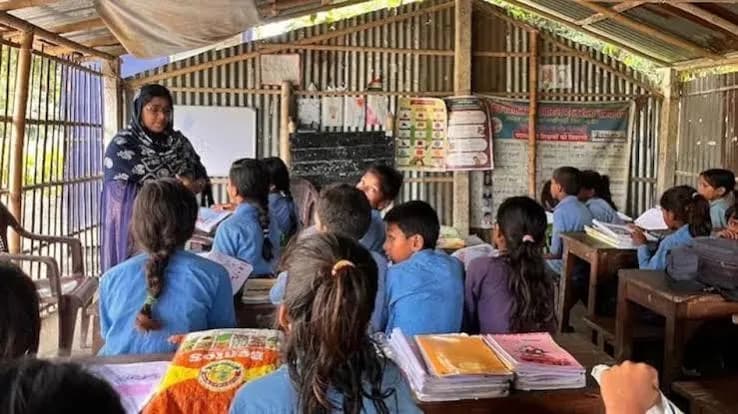
Bihar is a large state with 38 districts, and each district has its own population, geography, economy, infrastructure and development priorities. Looking only at state-level information can sometimes hide important differences between districts.
District-level reporting brings these local differences into focus. It can help readers understand what is happening in individual districts, how government programmes are progressing and which local issues are receiving attention.
Understanding Bihar Through Its Districts
State-level statistics provide an overall picture, but development is experienced locally.
A road project, hospital, school, irrigation scheme or industrial investment affects a particular area first. Reporting these developments at the district level can make broader government policies easier for citizens to understand.
Bihar's Directorate of Economics and Statistics provides district-wise information covering areas such as geography, demographics, education, agriculture and economic indicators. Its Data Lab also allows users to explore district profiles and public datasets.
Why Local Information Matters
People generally experience government services within their own communities.
A state-level announcement about education may sound significant, but residents may want to know what is happening in their district, block or village.
District-level reporting can answer practical questions such as:
What projects are being implemented locally?
Which public services are changing?
What infrastructure work is underway?
What are the major local economic activities?
What issues are being reported by residents?
Tracking Development Projects
Development projects can be followed more effectively when reporting identifies their location, department, estimated cost, implementation stage and expected completion.
This can apply to roads, bridges, hospitals, schools, irrigation projects, water-supply systems, government buildings and other infrastructure.
Bihar also maintains government GIS systems that provide district, block, panchayat and village-level administrative and infrastructure information.
Education Reporting
Education is an important area for district-level reporting.
Reports can examine schools, colleges, enrolment, teachers, infrastructure, examination results and other available indicators.
Comparing information across districts can provide a clearer picture of differences in educational facilities and outcomes.
Healthcare Reporting
Healthcare needs can also vary significantly between districts.
District reporting can cover hospitals, primary healthcare facilities, medical staff, health programmes and other publicly available indicators.
Reports should distinguish between the existence of a facility and the actual availability of services, because these can represent different aspects of healthcare access.
Agriculture and Rural Economy
Agriculture remains important to Bihar's economy, making agricultural reporting relevant at the district level.
Crop production, irrigation, rainfall, agricultural markets and related economic activities can vary considerably across the state.
Bihar's official statistical systems provide data on agriculture, rainfall, labour and other indicators that can be used for district-level analysis.
Employment and Local Business
District-level reporting can also examine employment and economic activity.
Local businesses, industrial units, construction activity, agriculture, services and self-employment all contribute to district economies.
Reporting these developments can help readers understand how economic activity differs across Bihar.
Reporting Government Schemes
Government schemes often have district-level implementation.
A useful report can identify the department responsible, target group, eligibility requirements, number of beneficiaries where officially available and implementation status.
This approach helps separate a general policy announcement from what is actually being implemented in a particular district.
District Data and Public Accountability
Public data can help citizens follow government activity.
Bihar's e-Statistics system provides statistical information across areas including education, health, agriculture, labour, rainfall, electricity and district-level economic indicators. The system is intended to support planning, monitoring and evaluation.
Using such information alongside official notifications and field reporting can make district-level journalism more informative.
Importance for Local Elections
District-level reporting can also provide useful background during elections.
Readers may want to understand local infrastructure, public services, development projects and constituency-level issues before examining election results or campaign statements.
However, development reporting and electoral reporting should remain distinct so that factual information is not presented as a political conclusion.
How to Make District Reporting Reliable
Good district-level reporting should identify the source and date of important information.
Government statistics, official documents, departmental reports and project records can provide primary information. Local reporting, interviews and field observations can add context.
When figures are used, journalists should explain whether they represent estimates, targets, completed work, beneficiaries, expenditure or another measurement.
Avoiding Misleading Comparisons
Districts differ in population, geographical area and economic structure.
For this reason, comparing only absolute numbers can sometimes be misleading.
For example, a district with a larger population may naturally have more schools, hospitals or beneficiaries. Population-adjusted indicators can provide additional context when appropriate.
Following Changes Over Time
A single report provides only a snapshot.
Repeating district-level reporting over months or years can show whether a project has progressed, whether a public service has expanded and whether local economic indicators have changed.
This creates a more useful record of development than reporting individual announcements without follow-up.
Role of Citizens
Citizens can contribute to district-level reporting by identifying local issues, checking official information and sharing verified information about public services and development projects.
Residents can also use government grievance systems, public meetings and other official channels to raise concerns about local services.
District Reporting and BiharPolitics
For a Bihar-focused political and public-affairs platform, district-level reporting can connect statewide developments with local realities.
A statewide policy becomes more understandable when readers can see how it relates to individual districts and communities.
District-focused reporting can cover governance, infrastructure, education, healthcare, agriculture, employment, local administration, elections and major public developments.
Conclusion
District-level reporting matters because Bihar's development cannot be fully understood through statewide figures alone.
The state's districts have different needs, economic activities, infrastructure and social conditions. Reporting these differences can provide readers with a clearer picture of how policies and development programmes affect local communities.
Reliable district reporting should combine official data, local information, clear sourcing and follow-up over time. This approach can help citizens, researchers and journalists better understand Bihar's changing political, economic and social landscape.
Join the discussion